
Catching a Chemical Slipping Through the Regulatory Cracks [1]
 [2] [2] |
Inside Story: Catching a Chemical Slipping Through the Regulatory Cracks
An ambitious investigation into an under-regulated chemical used everywhere from children’s art projects to construction sites earned Meg Wilcox’s reporting a second place prize for outstanding explanatory reporting, small [3], in the Society of Environmental Journalists’ 23rd Annual Awards for Reporting on the Environment [4].
Through a multipart series for Environmental Health News, Wilcox traced how BADGE, BPA’s lesser-known “evil cousin,” has largely dodged meaningful regulation in both the United States and Europe, despite evidence of potential endocrine-disrupting effects and widespread worker exposure.
Judges praised the project as “a classic accountability story” that is “easy to read, illuminating and in-depth,” noting its success in bringing attention to a ubiquitous yet little-known chemical “with the potential to harm all of us.”
SEJournal Online recently caught up with Wilcox by email. Here is the conversation, lightly edited for clarity and style.
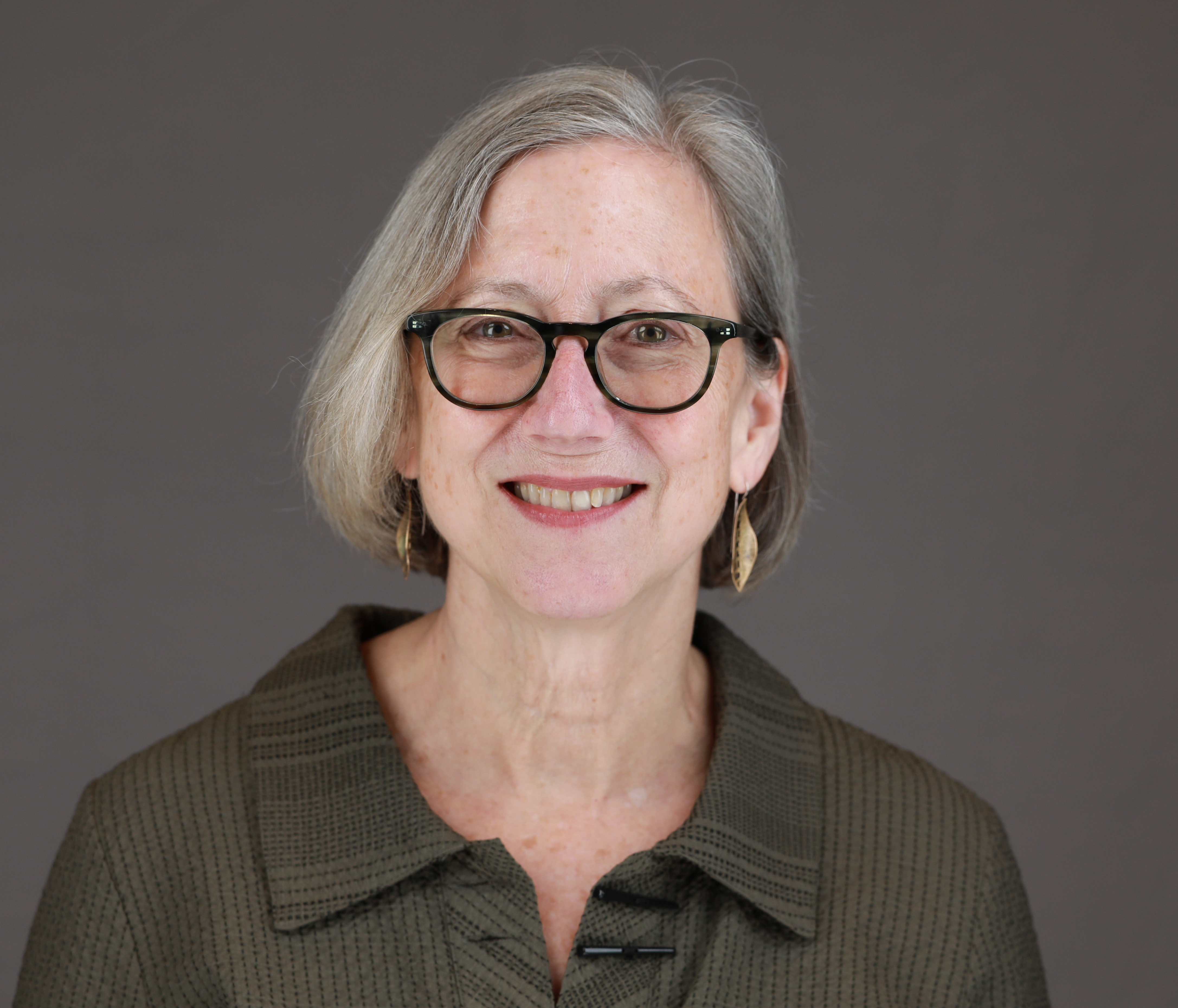 |
| Meg Wilcox |
SEJournal: How did you get your winning story idea?
Meg Wilcox: The idea came from a researcher’s tip. He had been studying the chemical BADGE, was concerned about its possible link to cancer and hormone disruption, and noted its use in epoxy resin art materials. BADGE is a major ingredient in these materials, and the internet is full of DIY videos showing artisan woodworkers handling the resins in ways that could harm their health. The series began with an investigation into BADGE exposure among this group, and it grew as we learned how ubiquitously the chemical is used across many industries.
SEJournal: What was the biggest challenge in reporting the pieces and how did you solve that challenge?
Wilcox: The biggest challenge arose when a group of workers who had been exposed to high levels of the chemical and had serious health conditions, possibly linked to their exposure, decided to pull out of the series for fear of retribution from their former employer. They had been providing me with inside information on the industry that I unfortunately was not able to use. They also had a very powerful story to tell. We solved the challenge by finding another exposed group to highlight: construction workers.
SEJournal: What most surprised you about your findings?
It was also surprising to me
how little occupational medicine
has advanced and still focuses
largely on traditional workplace hazards.
Wilcox: It wasn’t so much a surprise as an appreciation for how hard it is to show cause and effect with endocrine disruptors in an exposed group. Endocrine disruptors may cause health problems like enlarged prostate and reproductive problems, obesity or even anxiety and panic attacks — but these are not health problems that people are going to associate with their jobs. Doctors won’t make the connection either. It was also surprising to me how little occupational medicine has advanced and still focuses largely on traditional workplace hazards like asbestos, silica and lead.
SEJournal: How did you decide to tell the stories and why?
Wilcox: The series sought to raise awareness about a widely used, potentially harmful chemical that’s similar to bisphenol A, or BPA, but has received little attention. We wanted to cover a lot of ground — explaining what BADGE is, where it’s used, why it’s worrisome and then, the accountability piece, why there are no regulations. I used the experiences of artisan woodworkers and construction workers to tell these pieces of the story and bring it to life.
EHN additionally wanted a solutions angle, that is, could class-based approaches to regulating chemicals, such as those practiced in Europe and in states like Washington, keep chemicals like BADGE from slipping through the regulatory cracks.
SEJournal: Does the issue covered in your story have disproportional impact on people of low income, or people with a particular ethnic or racial background? What efforts, if any, did you make to include perspectives of people who may feel that journalists have left them out of public conversation over the years?
Wilcox: BADGE is widely used. But focusing on the construction industry, immigrants may be disproportionately impacted. They are a big portion of the workforce. I had hoped to bring an immigrant construction worker into the story, but wasn’t able to do that in a meaningful way.
Chemical exposures on construction
sites just weren’t on their radar screens.
Their concerns were more immediate:
getting paid and staying alive.
While I spoke with several organizations that serve immigrant workers, chemical exposures on construction sites just weren’t on their radar screens. Their concerns were more immediate: getting paid and staying alive. That is, not getting stiffed by employers or suffering a serious physical injury from lack of safety training or language barriers.
SEJournal: What would you do differently now, if anything, in reporting the series and why?
Wilcox: Write shorter pieces. Time permitting, I also would have waited to get access to a construction site. I was reporting during the winter when there were no active construction sites to visit.
SEJournal: What lessons have you learned from your project?
Wilcox: Proceed slowly with sources who are fearful about going public with their story and try to better accommodate their concerns. Seek advice from colleagues about how to navigate these sensitivities.
SEJournal: What practical advice would you give to other reporters pursuing similar projects, including any specific techniques or tools you used and could tell us more about?
Wilcox: Researchers can be a good source for story ideas, especially researchers with an applied bent. Published studies can also lead you to sources for your story. I found a study on construction worker exposure to BADGE that was serendipitously conducted by researchers at a university in my state. Connecting with the authors of that study helped open some doors with local unions.
SEJournal: Could you characterize the resources that went into producing your prizewinning reporting (estimated costs, i.e., legal, travel or other; or estimated hours spent by the team to produce)? Did you receive any grants or fellowships to support it?
Wilcox: I worked on the series for close to two years, amid other reporting projects. I didn’t receive a grant or fellowship, although EHN provided me with an advance to sustain my work when I hit a dead end after months of reporting.
My travel was regional, so not a budget-buster. EHN raised funds to produce the series, and its staff dedicated time to producing a podcast, developing graphics and a landing page for the series.
SEJournal: Is there anything else you would like to share about this story or environmental journalism that wasn’t captured above?
Wilcox: Good environmental journalism can come from stories that are largely about workplace exposures.
Meg Wilcox is a freelance journalist who covers environmental health, agriculture and fisheries. Her articles have appeared in more than a dozen publications, including Scientific American, Wired, Undark, Inside Climate News, Smithsonian Magazine, The Boston Globe, Ensia magazine, Environmental Health News, Hakai, Civil Eats and Next City. Wilcox has a master’s degree in environmental health and previously worked in public health. She is a member of SEJ and the National Association of Science Writers, and lives in the Boston, Massachusetts, area.
* From the weekly news magazine SEJournal Online, Vol. 11, No. 6. Content from each new issue of SEJournal Online is available to the public via the SEJournal Online main page [5]. Subscribe to the e-newsletter here [6]. And see past issues of the SEJournal archived here [5].