 |
|
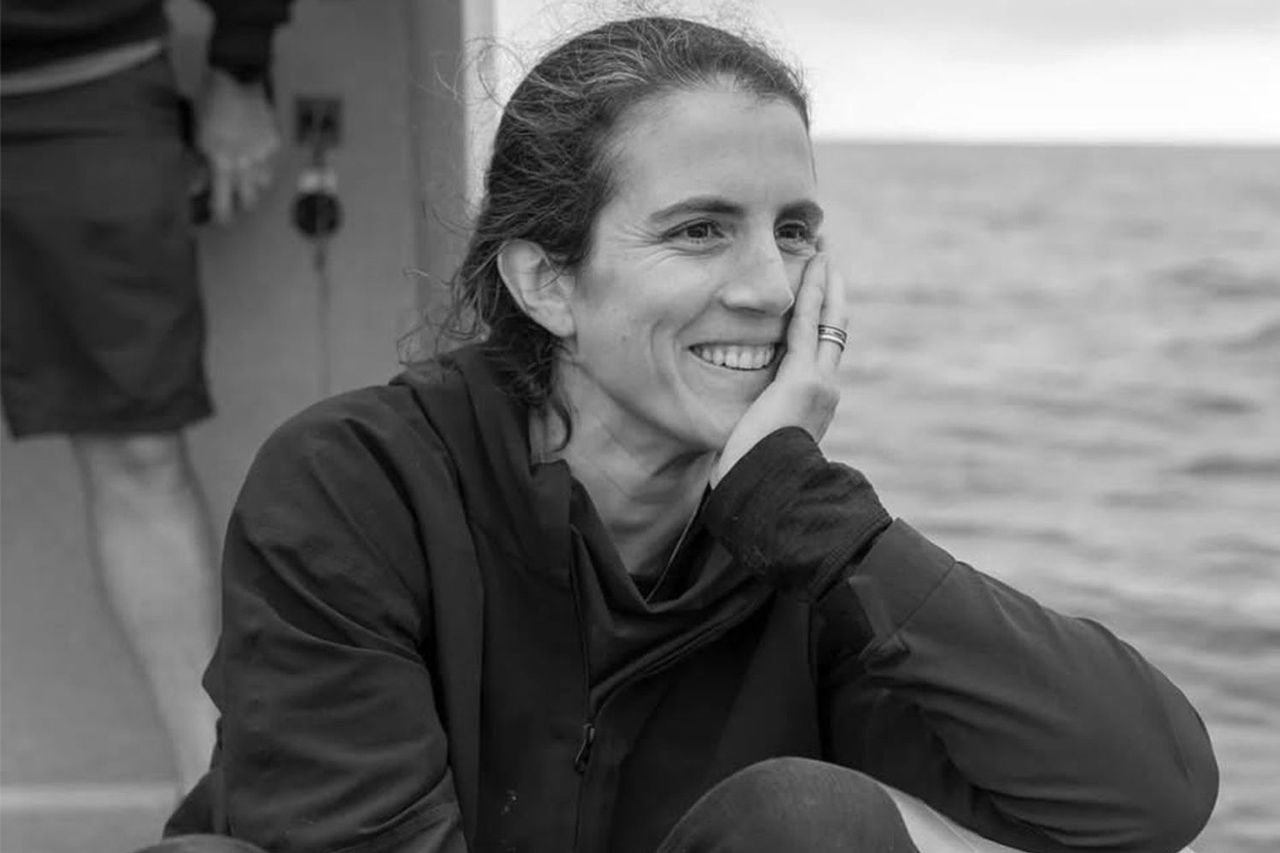
Tatiana Schlossberg. Photo from the JFK Library Foundation. |
We're deeply saddened by the news of environmental journalist Tatiana Schlossberg's death. A vital voice in our field, including as a reporter covering climate change and the environment for The New York Times' Science section, she was also a valued member of the SEJ community.
In 2020, SEJ awarded her our highest honor for a book author, the Rachel Carson Environment Book Award, for "Inconspicuous Consumption: The Environmental Impact You Don't Know You Have."
In her acceptance remarks, delivered over Zoom while much of the world was still in Covid lockdown, Tatiana described her book as an exploration of “the hidden and unconscious environmental impacts embedded in a lot of our stuff." She also shared what this work meant to her, professionally and personally:
“I feel especially grateful for environmental reporting that helps me feel informed and connected, even when it feels like the world’s attention has moved elsewhere.”
As the judges wrote in 2020, “Using history, science and a personal narrative, Schlossberg provides a better understanding of both individual and systemic drivers of ecological destruction...readers will find solace, humor and a route to feeling empowered with possibilities for positive change, rather than drained by an accumulation of bad news.”
The awards were not the first or only time SEJ highlighted Tatiana’s work, including for The New York Times.
In January 2017, as the first Trump administration took office, SEJournal pointed to her Science Times reporting as a “starting point” for journalists exploring how to localize climate accountability stories by focusing on state and local governments, as federal climate policy was expected to pull back. Tatiana also contributed to outlets including The Atlantic, The Washington Post, Vanity Fair and Bloomberg News.
Her work also sat at the intersection of environment and health, as chronicled in her moving essay about her terminal illness in The New Yorker last month: "During treatment, I learned that one of my chemotherapy drugs, cytarabine, owes its existence to an ocean animal: a sponge.”
She shared that she had hoped to write her next book about Earth’s oceans, and about what we choose to protect, or fail to protect, in the living systems that sustain us.
As we prepare to gather this spring in Chicago for #SEJ2026, our theme, Health, Humanity and Climate Change: The Systems that Sustain Us, feels especially resonant.
We look forward to honoring Tatiana's work there, as we bring back the SEJ awards celebrations to our 35th annual conference, and share this in recognition of her life and its impact, with sympathy for her family, friends and colleagues.