

SEJournal Online is the digital news magazine of the Society of Environmental Journalists. Learn more about SEJournal Online, including submission, subscription and advertising information.
January 21, 2026
 |
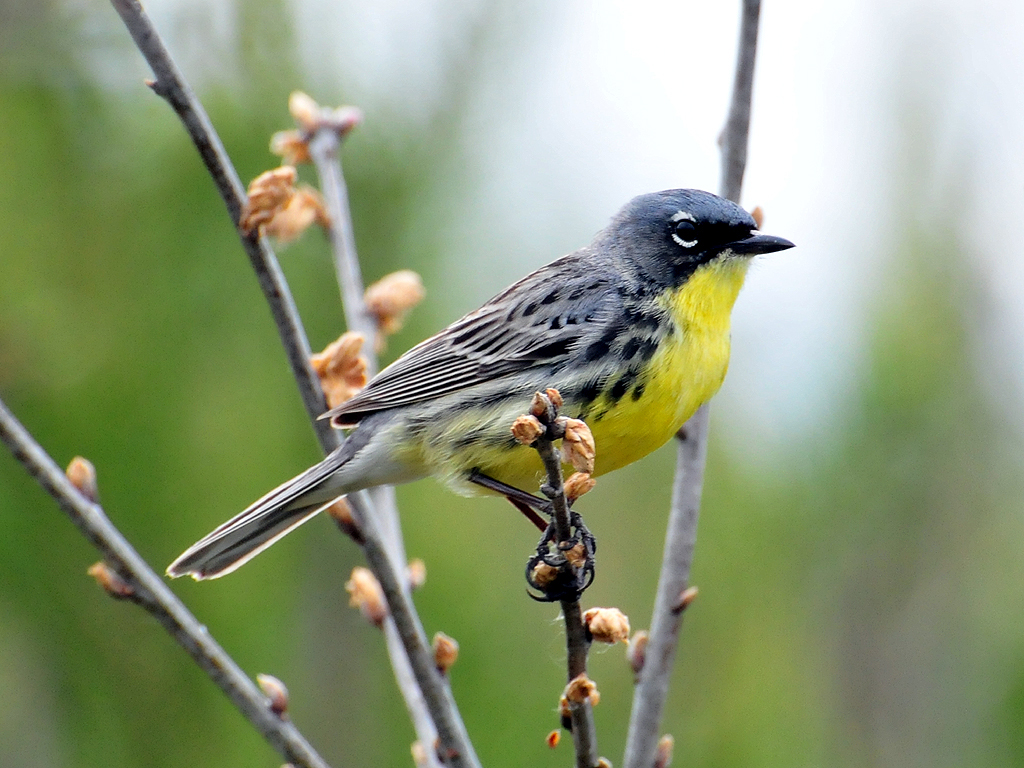 |
| The Kirtland's warbler, listed under the Endangered Species Act for more than 50 years, was delisted in 2019 after populations recovered. But 89 bird species remain listed in the United States as either threatened or endangered. Photo: U.S. Fish and Wildlife Service/Joel Trick via Flickr Creative Commons (CC BY 2.0). |
TipSheet: Spring Is Coming. How Silent Will It Be?
By Joseph A. Davis
The Christmas Bird Count is over. Spring migration will soon be underway. That means it's time to report on how bird populations are faring in your region.
Biologists call it the “bird decline.” Populations have been declining globally among a major portion of bird species. One recent estimate is that there are 3 billion fewer birds in the United States and Canada now than there were in 1970.
The reason for the decline is,
in most cases, human activity
— which also means that
human action can help solve it.
The reason for the decline is, in most cases, human activity — which also means that human action can help solve it. Forget wind turbines. Cats are a lot worse. Other causes are habitat loss, climate change, glass windows and pesticides, for starters.
Why it matters
Birds are nice because they look beautiful, sing to us, eat bugs, pollinate plants and usually cheer us up.
But ever since dinosaurs evolved into birds, they have also played a huge role in Earth’s biosphere.
Birds evolved into many species, many of them quite weird. Many of those have gone extinct — often because of human action; for example, the dodo and the passenger pigeon.
If you look deeper into the causes of their decline, it will lead you to many other stories that are the bread and butter of environmental journalism: chemicals, land disturbance, local ecosystems and more.
Also, insect decline.
Story ideas
- What were the findings of the Christmas Bird Count in your area? They’re just out — find them here. Talk to local experts about the reasons for the decline of favorite species.
- Find out which migrating bird species go through your area. Where do they stop to rest or feed? What geographic features do they follow?
- Do your bird migrants fly at night? Weather radar images of bird migrations at night make for cool graphics. BirdCast is one good place to find them.
- What can homeowners do to help or hurt bird populations? Lawn chemicals? Native plants? Bird feeders (in my town, we call them cat feeders)?
- What are the ecological features that offer the best habitat and food to birds flying through your area? Coastal wetlands? Prairie potholes?
- How do birds sleep when they migrate? This Associated Press article is very suggestive.
- Are H5N1 bird flu or other diseases hurting the population of migrating birds in your area? Talk to wildlife biologists.
- What has the Trump administration done to strengthen or weaken enforcement of the Migratory Bird Treaty Act?
Reporting resources
- National Audubon Society: This national environmental group focuses on birds and advocates for them. It has a large membership and has many state and local chapters (a good place to find birders). It also publishes Audubon magazine, which is highly informative.
- Cornell Lab: Cornell University’s Ornithology Laboratory is a treasured resource for anyone who wants to know more about birds.
- Merlin: This smartphone app goes anywhere with you and helps you identify birds, not only by their appearance but also by their songs and calls. Made by Cornell Lab (see above). You need this app. Download it free here.
- U.S. Fish & Wildlife Service: USFWS runs a fleet of some 570 wildlife refuges, many of which are rest stops for migrating birds. It often has interpretive staff or even bookstores.
- American Birding Association: Another membership association with local chapters. A good way to meet local birders.
- Local wildlife refuges: Beyond the national system, there are many state, local and private sector refuges which are open to the public. Talk to staff.
- State wildlife agencies: A good way to zero in on your particular area.
- Academic ornithology departments: The Wilson Ornithological Society has a nice list of serious ornithology programs.
[Editor’s Note: For more, see TipSheets on how the simple backyard bird feeder can lift local environment reporting, and on declining bird populations, talking to birders and the problems of lead ammunition, plus a Reporter’s Toolbox on a bird migration explorer, a Feature on an iconic grassland bird and BookShelf reviews on “The Bird Way,” on a myth-shattering book about John James Audubon and on long-distance migrators. Also, get the latest EJToday headlines about birds.]
Joseph A. Davis is a freelance writer/editor in Washington, D.C. who has been writing about the environment since 1976. He writes SEJournal Online's TipSheet, Reporter's Toolbox and Issue Backgrounder, and curates SEJ's weekday news headlines service EJToday and @EJTodayNews. Davis also directs SEJ's Freedom of Information Project and writes the WatchDog opinion column.
* From the weekly news magazine SEJournal Online, Vol. 11, No. 3. Content from each new issue of SEJournal Online is available to the public via the SEJournal Online main page. Subscribe to the e-newsletter here. And see past issues of the SEJournal archived here.
SEJ Publication Types:
Topics on the Beat:
Visibility: